Cornelia: More Than 370 Handmade Characters
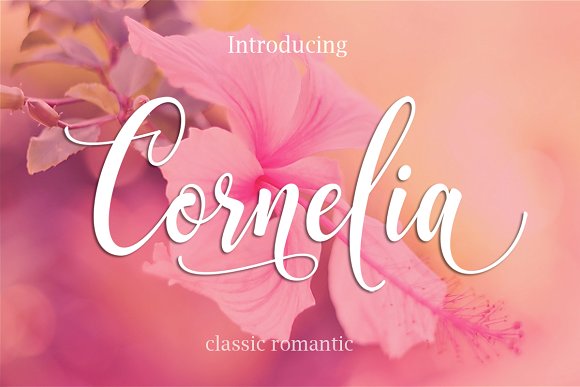
When you first see Cornelia, you notice the movement. It doesn’t sit static on the page like a standard blocky serif font or a rigid sans serif font. Instead, it flows. Cornelia is a stunning script font that distinguishes itself through authenticity—it features more than 370 handmade characters. For designers, entrepreneurs, and content creators, this technical detail translates to one very important visual benefit: natural variety. In the world of modern typography, avoiding that repetitive, robotic look is essential for connecting with a human audience.
The Anatomy of Authenticity
Understanding why Cornelia works requires looking past the "pretty" factor and focusing on the technical execution. Many script fonts on the market rely on a single set of letters that repeat over and over. If you type the word "committee," for example, you might see three identical "t"s and three identical "e"s side-by-side. In nature, nobody writes the same letter exactly the same way twice in a row.
Cornelia solves this with extensive OpenType programming and a massive character set. It behaves like a true handwritten font because it mimics the inconsistencies of human touch. The ink flow varies, the connections between letters shift, and the baselines dance slightly. This is what makes it a premium font choice rather than just another display font. It brings a warmth to brand identity that sterile, digital fonts simply cannot replicate. When you use Cornelia, you aren't just typing words; you are simulating hand-lettering.
Strategic Applications for Cornelia
Knowing where to deploy a creative font like Cornelia is just as important as having it in your library. Because it is a high-contrast script with distinct personality, it demands a specific context. It isn't a body text font; trying to read a paragraph of dense Cornelia text would be exhausting for the eye. However, its strength lies in hierarchy and emphasis.
Branding and Logo Design
For small business owners and entrepreneurs, logo design is often the first hurdle. Cornelia shines here because of its elegance. It works exceptionally well for industries that value craftsmanship and personal touch. Think of a boutique coffee roaster, a high-end florist, a yoga studio, or a wedding photographer. The font’s aesthetic immediately communicates sophistication without feeling stuffy. When pairing fonts for a logo, Cornelia acts as the personality driver. You might pair it with a clean, geometric sans serif font to balance the fluidity of the script with the stability of modern geometry.
Packaging and Product Design
In packaging design, shelf appeal is everything. Cornelia can elevate a generic label to a premium product. Imagine this font on a bottle of artisanal hot sauce or a box of handmade chocolates. The handmade characters suggest that a real person cared about the product. It moves the consumer’s perception from "mass-produced" to "small-batch." The visual texture of the letterforms adds a tactile quality to the digital or print label, making the product feel more expensive and desirable.
Digital and Editorial Design
Bloggers and publishers need to capture attention quickly. In editorial design, Cornelia serves as a powerful tool for pull quotes, subheadings, and chapter titles. It breaks up the monotony of long-form reading. If you are designing a magazine layout or a blog header, using Cornelia for key phrases draws the reader's eye exactly where you want it. It adds a layer of storytelling before the audience even reads the sentence, setting a mood that is romantic, nostalgic, or whimsical depending on the context.
Technical Guidance for Designers
Implementing a creative font effectively requires more than just installation. To get the most out of Cornelia, you need to approach it strategically. Here are practical considerations for your next project.
Evaluating Readability and Hierarchy
Visual hierarchy is the arrangement of elements to show their order of importance. Cornelia is a bold choice for the top of the hierarchy (H1, H2, Logo) but fails at the bottom (Body text, Captions). When using Cornelia, ensure there is enough contrast. If you place it over a busy background image, the delicate swashes might get lost. Always test for readability. If the text is too small, the intricate details of the 370+ characters might blur together, especially on low-resolution screens. Keep it large and let it breathe.
Mastering Font Pairing
Font pairing is an art form. Cornelia has a strong personality, so it needs a quiet partner. A common mistake is pairing a script font with a decorative serif font; this creates visual chaos.
- The Safe Bet: Pair Cornelia with a neutral sans serif font like Helvetica, Roboto, or Open Sans. The clean lines of the sans serif act as a canvas, allowing Cornelia’s script style to pop.
- The Editorial Look: Combine Cornelia with a classic serif font like Garamond or Baskerville. This creates a vintage, high-fashion aesthetic often seen in lifestyle magazines.
- The Modern Twist: Use a monospaced font (like Courier) alongside Cornelia. The rigid, technical look of the monospace contrasts sharply with the organic flow of the script, creating a trendy, modern typography vibe.
Licensing and Commercial Use
Before you finalize a design for a client, always double-check the commercial licensing. Most premium fonts like Cornelia require a specific license for commercial use. This includes merchandise (t-shirts, mugs), client logos, and digital products for sale. If you are a crafter selling SVG cut files that include the font, or a business owner printing packaging, you must ensure your license covers "end products." Respecting font licensing protects you legally and supports the type designers who spent hours crafting those 370+ characters.
The Impact on Audience Engagement
Why does a font matter so much? It comes down to psychology and brand perception. When a user lands on a website or picks up a product, they make a split-second judgment. A generic font implies a generic service. A carefully chosen premium font like Cornelia implies attention to detail.
For marketers and content creators, this is a tool for engagement. A handwritten font feels personal. It feels like a note passed between friends. In an era of automated chatbots and AI-generated content, human touches are becoming rare commodities. By using Cornelia, you are subtly telling your audience that there is a human behind the brand. This builds trust. Trust leads to recognition, and recognition leads to sales.
Testing and Refinement
Never commit to a font without testing it in context. Before launching a campaign or printing 1,000 business cards, mock up the design. Look at Cornelia on a mobile phone screen. Does the swash on the capital letter get cut off? Print it out on your office printer. Does the ink bleed make the thin strokes disappear? These small checks ensure that your design assets perform well in the real world, not just in Photoshop.
Conclusion
Cornelia is more than just a pretty typeface; it is a versatile design asset. Whether you are crafting a brand identity for a new startup, designing social media graphics that need to stop the scroll, or laying out an editorial piece that demands elegance, this script font delivers. Its extensive character set ensures that your work looks organic and authentic, bridging the gap between digital precision and human warmth. By understanding its strengths and pairing it wisely, you can leverage Cornelia to create designs that resonate deeply with your audience.