Babytime: A Script Font for Modern Elegance
There's a particular challenge in digital design: capturing the warmth and authenticity of a human touch. We see it everywhere—the need for brands and projects to feel personal, approachable, and real. This is where a thoughtfully crafted script font like Babytime becomes an invaluable asset. It’s not just another decorative typeface; it’s a tool for adding instant sophistication and emotional resonance to your work.
The Visual Character of Babytime
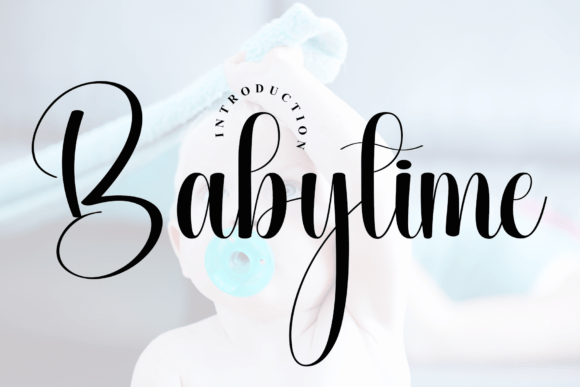
At first glance, Babytime presents itself as a stylish and incredibly elegant script font. Its letterforms flow with a natural, handwritten rhythm, but with a level of refinement that elevates it beyond casual doodling. The connections between letters feel organic, and the overall slant provides a dynamic, forward-moving energy. This isn't a rough, scratchy font; it’s a premium font designed for clarity and impact. The strokes have a pleasant, medium weight that ensures visibility without overwhelming a layout. Think of it as the typographic equivalent of a beautifully penned invitation—it immediately sets a tone of care and intention.
Where Babytime Truly Shines: Practical Applications
The true test of any creative font is its versatility. Babytime’s strength lies in its ability to adapt across a spectrum of projects while maintaining its core personality. For wedding invitations and stationery, it provides the essential romantic and bespoke feel. In logo design, it can craft a memorable wordmark for a boutique, a bakery, or a lifestyle brand, especially when paired with a clean sans serif font. Imagine it on a thank-you card for an online store—the handwritten style fosters a direct connection with customers.
For social media graphics, where grabbing attention is paramount, Babytime can make quotes, announcements, or sale tags pop with a personal flair that feels native to the platform. It translates beautifully to packaging design for artisanal products, lending an air of handcrafted quality. Even in editorial design, such as magazine pull quotes or chapter headings, it introduces a break from standard body text, creating visual interest and guiding the reader's eye. Its application in web design is also noteworthy; used sparingly for headlines or calls-to-action, it can soften a corporate interface and add personality.
Integrating Babytime into Your Design Workflow
Adopting a new typeface into your toolkit requires more than just liking how it looks. First, consider your project's core message. Babytime excels when the goal is to convey elegance, warmth, creativity, or a personal touch. It may not be the right fit for a technical manual or a law firm's primary branding, but it could be perfect for the firm's holiday card or a creative agency's internal newsletter.
Next, evaluate the font pairing. A script font like this pairs most effectively with a neutral, highly readable counterpart. A classic serif font like Garamond can create a timeless, sophisticated duo. A geometric sans serif font such as Montserrat or Futura offers a striking modern contrast, letting Babytime's elegance stand out. Always test your pairing at the intended scale—what works in a headline may become illegible in a small caption.
Examine the font's full character set and any included styles. Does it offer alternate characters, ligatures, or stylistic sets? These features can be crucial for avoiding repetitive letter shapes in longer words and achieving a truly custom look. Most importantly, consider readability. While beautiful, script fonts are best used for short bursts of text—headlines, logos, pull quotes. For body copy, always default to a legible display font or text font. Finally, ensure you have the correct commercial font license for your intended use, whether it's for a client project, merchandise, or digital products. A reputable font will clearly outline its licensing terms.
Elevating Brand Perception with Intentional Typography
Typography is a silent ambassador for your brand identity. The choice of a typeface like Babytime does more than just spell out words; it communicates values. Using it consistently across your brand assets—from your website's header to your business cards and email newsletters—builds recognition and a cohesive aesthetic. It tells your audience that you value detail, craftsmanship, and style. This consistency is a cornerstone of professional modern typography.
For entrepreneurs and small business owners, this font can be a strategic part of your design assets. It allows you to create marketing materials that look polished and designed, even without a large budget. A blogger can use it to create unique post titles that become instantly recognizable. A crafter can apply it to product labels that feel special and handmade. The key is to use it with purpose, not as a default for everything. Let it highlight the most important elements, creating a clear visual hierarchy that guides your audience to what matters most.
In the end, Babytime is more than just a handwritten font. It's a versatile tool for adding a layer of human elegance and intentional design to a wide array of projects. By understanding its character, testing its applications, and integrating it thoughtfully, you can leverage its style to enhance engagement, strengthen your brand's story, and create work that resonates on a personal level.