History Farmhouse: A Script Font for Elegant, Personal Branding
Understanding the Essence of History Farmhouse
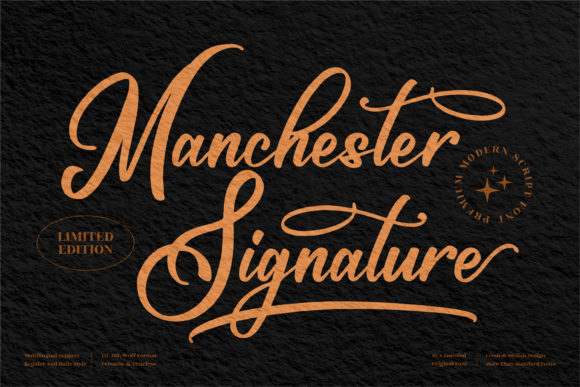
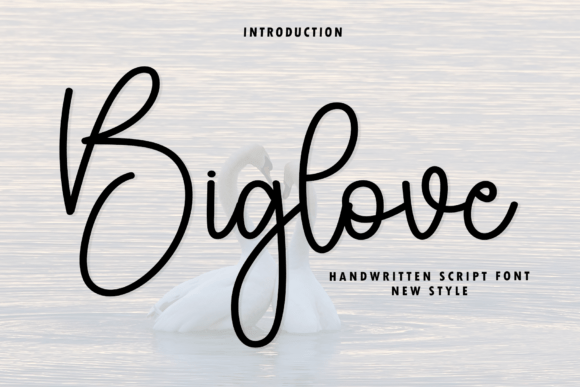
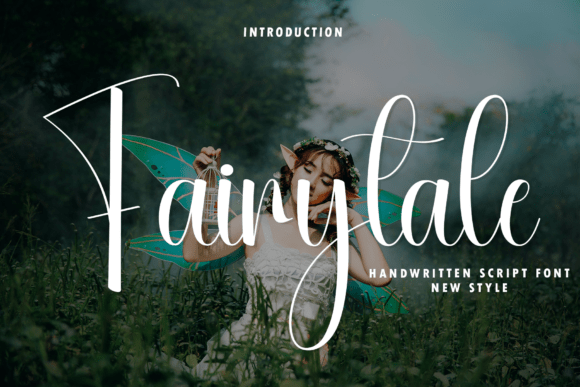
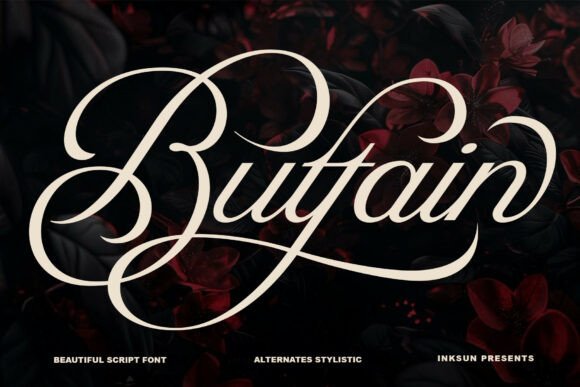
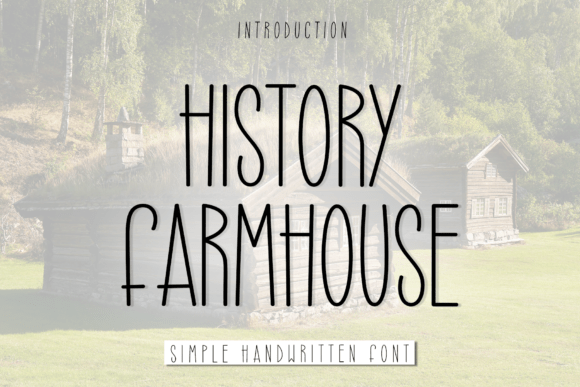
At its core, History Farmhouse is a sophisticated handwritten script font that moves beyond simple casual lettering. It captures a modern, fluid aesthetic where elegance meets personal touch. Unlike rigid geometric typefaces, this font breathes with life through its graceful, high-contrast strokes. You will notice the sweeping loops and fine, tapering terminals immediately; they create a rhythmic flow that mimics natural handwriting but with the consistency required for professional design assets.
The visual personality of History Farmhouse is defined by its expansive horizontal presence. The letters often have a generous width, allowing them to command attention without feeling cramped. The connections between characters are delicate, ensuring that words remain legible while maintaining that high-end, personalized look. It feels intimate yet authoritative, making it a versatile tool for creators who want to convey authenticity without sacrificing polish. When you look at the letterforms, you see a balance between the spontaneous energy of a pen and the deliberate structure of modern typography.
Where This Typeface Shines: Practical Applications
Finding the right context for a script font is crucial. History Farmhouse works exceptionally well in environments where luxury and intimacy are key. It is an ideal choice for luxury wedding stationery, where the sweeping strokes can mimic calligraphy but offer better consistency for long-form text like invitations and menus. For event branding, particularly for galas, boutique launches, or intimate dinner parties, this font sets a tone of exclusivity.
However, its utility extends far beyond events. Consider using History Farmhouse in the following scenarios:
- Editorial Design: Use it for pull quotes, magazine headers, or author signatures to add a human element to structured layouts.
- Packaging Design: For artisanal goods, cosmetics, or gourmet foods, the font suggests craftsmanship and care.
- Social Media Graphics: In a feed dominated by stark sans-serifs, a fluid script like History Farmhouse can stop the scroll, particularly for lifestyle photography overlays and inspirational quotes.
- Logo Design: It serves as a beautiful wordmark for lifestyle brands, fashion boutiques, or personal blogs, provided the brand voice is approachable and elegant.
In the realm of brand identity, History Farmhouse acts as the voice of the brand. While a sans serif font might handle the body copy and data, History Farmhouse can handle the emotional headlines. It bridges the gap between digital coldness and human warmth. For small business owners, using a premium font like this signals that you value quality in every detail, from your product to your presentation.
Strategic Impact on Brand Perception and Engagement
Typography is rarely just about decoration; it is about communication. The choice of History Farmhouse influences how your audience perceives your brand's professionalism and values. Because it is a high-contrast, fluid typeface, it naturally draws the eye. This creates an immediate focal point, helping to establish a strong visual hierarchy. When used correctly, it guides the reader’s attention to the most critical information first.
Readability is a common concern with handwritten fonts, but History Farmhouse is designed with legibility in mind. The distinct character shapes and the careful spacing between letters prevent the text from becoming a tangled mess, even at smaller sizes. However, context matters. It is best suited for headlines, subheadings, and short bursts of text rather than long paragraphs. Using it for a 500-word blog post body would fatigue the reader, but using it for a hero section or a product title enhances engagement.
Consistency is another factor. When you integrate History Farmhouse into your web design or print materials, you create a recognizable signature. Customers begin to associate that specific style of lettering with your business. This recognition builds trust. A cohesive font pairing strategy—perhaps combining History Farmhouse with a clean geometric sans-serif for body text—creates a balanced ecosystem that feels both professional and accessible.
Practical Guide: Evaluating and Implementing the Font
Before committing to any creative font, you need to evaluate if it fits the project's constraints and goals. Here is a practical approach to working with History Farmhouse:
- Test Font Pairings: Never use a display script in isolation. Place History Farmhouse next to a neutral serif font for a classic look, or a minimalist sans-serif for a contemporary edge. Look for contrast in weight and structure; the organic curves of the script need the stability of a straight-edged partner.
- Check the Glyphs: A quality font often includes alternate characters and swashes. Review the font file to see if History Farmhouse offers different versions of specific letters (like 'g' or 'h'). These variations allow you to customize the look so it doesn't appear generic.
- Readability Stress Test: Type out your actual headlines. Don't just type "History Farmhouse"; type your specific business name and tagline. Some words flow better than others in script fonts. Ensure your specific content looks harmonious.
- Licensing and Usage: Since this is a commercial font, verify the license. If you are using it for a client’s logo design, ensure the license covers commercial use and logo embedding. If you are a crafter selling physical products, check if the license covers unlimited print runs.
Ultimately, History Farmhouse is more than just a set of letters; it is a design tool for storytelling. It brings a level of sophistication and human touch that rigid digital fonts often lack. By applying it thoughtfully to your editorial design, branding, or digital content, you elevate the perceived value of your work and create a more memorable experience for your audience.