January Learning: The Rhythmic Script for Artisan Brands
There’s a particular quality that separates a truly premium font from the rest. It’s not just about clean vectors or a large character set; it’s about the feeling it evokes the moment you lay eyes on it. January Learning captures this essence perfectly, presenting a sophisticated, rhythmic script that bridges the gap between high-end calligraphy and warm, organic hand-lettering. If you have ever struggled to find a typeface that feels personal and crafted without looking messy or amateurish, this is the style of typeface you have been searching for.
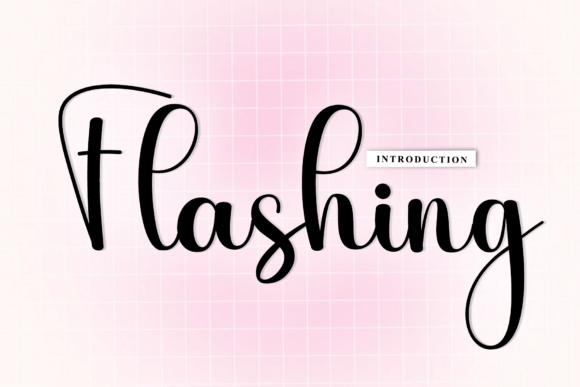
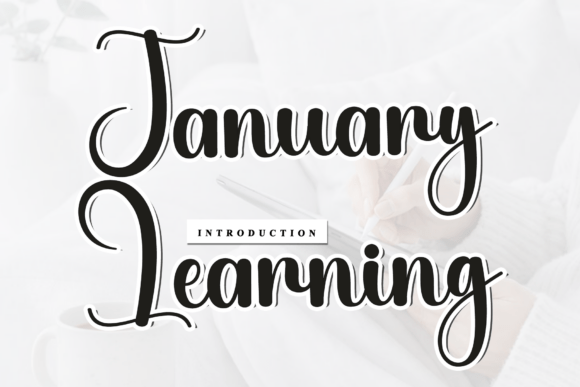
The defining characteristic of January Learning lies in its sweeping, looping ascenders. These are the parts of letters like 'h', 'l', and 'b' that rise above the midline. In many fonts, these are stiff and predictable. Here, they are fluid and dynamic, creating a visual rhythm that guides the eye across the page. This creates an immediate sense of customized, artisanal artistry. It doesn’t look like a computer trying to mimic a pen; it looks like the work of a skilled sign-writer who has mastered their craft. This distinction is vital for brand identity, where authenticity is the currency of trust.
Where Artisanal Aesthetics Meet Modern Design
Understanding where a font like this shines is key to maximizing its potential. Because January Learning carries such a distinct personality, it is a premier choice for specific sectors. You will see it utilized heavily in artisanal food branding—think small-batch coffee roasters, organic bakeries, or craft distilleries. The loops and curves mimic the natural, imperfect beauty of food products made by hand. Similarly, in boutique product packaging, such as high-end candles, handmade soaps, or luxury stationery, this script font communicates value and care before the customer even reads the product description.
Beyond packaging, January Learning is a powerhouse for upscale lifestyle marketing and creative editorial titles. Imagine a magazine cover for a travel publication or a lifestyle blog header; this font instantly elevates the content, suggesting a narrative that is worth reading. It works beautifully in logo design, provided the brand wants to convey elegance and approachability simultaneously. However, as a display font, its strength is in headlines and logos rather than body text. Using it for long paragraphs would strain the reader's eyes, but as a bold statement piece, it is unmatched.
While it is a script font, it avoids the overly casual look of a standard handwritten font. It maintains a level of professionalism suitable for commercial applications. Whether you are designing social media graphics for an influencer campaign or laying out a wedding invitation suite, the font adapts to the mood, bringing a touch of sophistication to every pixel.
The Psychology of Sweeping Loops and Brand Perception
Design is rarely just about aesthetics; it is about psychology. The specific visual characteristics of January Learning influence how an audience perceives a brand. The rhythmic, flowing nature of the letters creates a subconscious sense of ease and comfort. When a viewer sees a logo set in this creative font, they are likely to associate the brand with warmth, creativity, and human touch.
This has a direct impact on audience engagement. In a digital landscape dominated by rigid sans serif font choices and geometric shapes, a sweeping script stands out. It breaks the visual monotony. For a small business owner or entrepreneur, this is a secret weapon. It allows a smaller brand to compete visually with larger corporations by adopting a visual hierarchy that feels more intimate and exclusive.
Furthermore, using a premium font like January Learning signals professionalism. Free fonts often have inconsistent kerning (spacing between letters) or limited glyph sets. A professionally crafted commercial font ensures that the letters connect smoothly and that special characters—like ampersands or swashes—look intentional. This attention to detail reinforces brand recognition and builds subconscious trust with your market.
Practical Application: Pairing and Implementation
One of the most common questions I hear from designers and content creators is about font pairing. Because January Learning has such a strong, expressive personality, it requires a partner that plays a supporting role, not a competing one. You generally want to avoid pairing it with another decorative script or a highly stylized serif font.
Instead, look for a clean, geometric sans serif font. The simplicity of a sans serif provides the perfect neutral canvas for the ornate details of January Learning to pop. For example, using a light-weight sans serif for subheadings and body copy allows the script font to dominate the main headlines without creating visual chaos. This contrast is fundamental to good modern typography.
When evaluating if this font is the right fit for your project, consider the medium. In web design, ensure that the font is legible at the sizes you intend to use. While it is excellent for hero images and large headers, be cautious with navigation menus. In print design, such as brochures or business cards, the high-resolution rendering of the loops will look stunning, adding texture to the paper.
Technical Considerations for Creators
If you are a crafter or hobbyist looking to use January Learning for personal projects like scrapbooking or digital art, the process is straightforward. However, if you are a business, you must pay attention to commercial licensing. Ensure the license covers your specific usage—whether that is for physical products, digital templates, or server usage for an app.
Also, take time to explore the full character set. High-quality design assets like this often include alternate characters and ligatures. These are variations of letters that allow you to customize the look further, ensuring that two instances of the letter 'e' next to each other don't look identical, which enhances that organic, hand-crafted feel.
Ultimately, January Learning is more than just a collection of vector paths; it is a tool for storytelling. By leveraging its rhythmic energy and artisanal roots, you can create brand identity materials that resonate deeply with your audience, transforming standard marketing into a memorable experience.