Dream Falling: A Script Typeface with Retro Soul and Modern Polish
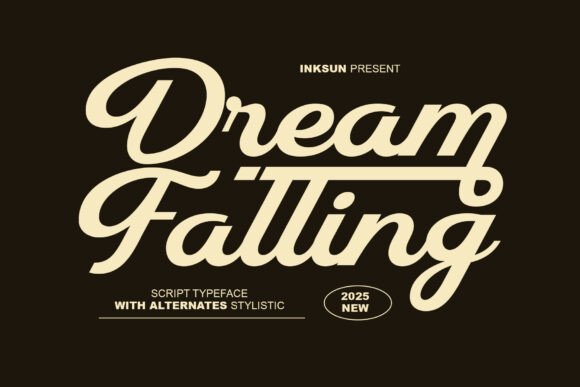
There's a particular warmth that comes from a well-crafted script typeface, one that avoids the pitfalls of looking either too casual or overly formal. Dream Falling hits that sweet spot with remarkable grace. This isn't just another handwritten font; it's a premium font built with the confidence of heavy, fluid strokes and the personality of a designer who understands both nostalgia and contemporary appeal. The thick weight gives it a bold presence, while the smooth connections between letters create a rhythmic, almost musical flow. It feels hand-drawn but never messy, retro but not dated. For anyone working on projects where character and readability need to coexist, this script font deserves a serious look.
Where Dream Falling Truly Comes Alive
The versatility of Dream Falling is one of its strongest assets. In logo design, it brings an instant sense of identity—think boutique brands, artisan bakeries, or lifestyle blogs that want to feel approachable yet polished. The expressive loops and weighty strokes make it legible even at smaller sizes, which is a common struggle with many script typefaces. For editorial design, such as magazine covers or book titles, it adds a layer of sophistication without sacrificing warmth. Pair it with a clean sans serif font for body text, and you've got a visual hierarchy that guides the reader naturally. I've seen it work beautifully on wedding invitations, product packaging, and even coffee shop menus—anywhere a human touch matters.
Beyond print, Dream Falling translates well into digital spaces. Social media graphics, particularly Instagram quotes or Pinterest pins, benefit from its bold character. It's the kind of creative font that stops a scrolling thumb. For web design, use it sparingly for headlines or call-to-action buttons where you want to inject personality without overwhelming the layout. The included OpenType features, like stylistic alternates, give you flexibility to tweak letterforms for a more custom feel. And because it supports multilingual characters, it's a practical choice for brands with international audiences. Whether you're designing a poster for a local event or crafting a brand identity for a new startup, the font adapts to the context rather than forcing the context to adapt to it.
Practical Guidance for Using This Font Effectively
Choosing the right font is about more than just aesthetics—it's about fit. Before committing to Dream Falling for a project, consider the tone you're aiming for. Its retro-modern blend works well for brands that value authenticity and craftsmanship, but it might feel out of place in a corporate financial report. Test it in context. Mock up a logo, set a paragraph, or place it on a product label to see how it interacts with your other design assets. One thing I appreciate about this typeface is how well it pairs with both serif fonts and sans serif fonts. A classic serif like Georgia or a geometric sans like Futura can ground it, letting the script do the talking without competing for attention.
Pay attention to readability, especially at smaller sizes or on low-resolution screens. While Dream Falling is more legible than many handwritten fonts, it's still a display typeface at heart. Use it for headlines, logos, or short phrases rather than long blocks of body copy. The included numerals and punctuation are designed with the same care as the letters, so quotes and pricing information will look cohesive. If you're working on a commercial project, review the licensing terms carefully. The font comes in OTF, TTF, and WOFF formats, covering most print and digital needs. For small business owners or bloggers building a brand identity, investing in a versatile commercial font like this can elevate your visuals from generic to memorable. Take the time to explore the stylistic sets—they might reveal a variation that perfectly suits your project's mood.
Ultimately, Dream Falling is a tool for designers and creators who want their work to feel considered and distinctive. It doesn't try to be everything, but what it does, it does with confidence. From packaging design to social media headers, it offers a blend of character and usability that's hard to find. The key is to use it intentionally, pair it thoughtfully, and let its personality enhance your message rather than overshadow it.